The Relationship between Animal Welfare and Sustainability in Nigerian Communities

The Interplay of Welfare and Sustainability
The evolving relationship between animal welfare and sustainability is increasingly recognized as a critical component in securing the future of communities across Nigeria. As the nation faces profound environmental challenges, understanding the ways in which these two factors intertwine is not only essential for ecological integrity but also for social and economic prosperity.
Significant Factors to Consider
Several key elements underscore the importance of this relationship:
- Livestock Production: Sustainable farming practices that prioritize animal welfare can lead to higher productivity. Techniques such as rotational grazing and integrated pest management not only enhance the health of livestock but also reduce environmental degradation, ensuring better yields in the long run.
- Wildlife Conservation: Efforts to conserve wildlife habitats are paramount in Nigeria, where biodiversity is rich yet threatened. Initiatives like the protection of the Yankari National Park not only safeguard various species but also contribute to maintaining the ecological balance essential for human survival.
- Food Security: Understanding that the ethical treatment of animals translates into healthier animals and, consequently, better nutrition for communities cannot be overstated. Proper animal husbandry practices can lead to more stable food sources, bolstering community resilience against economic and climatic adversities.
In various Nigerian regions, traditional farming practices often clash with modern sustainability aspirations. For example, while local farmers may focus on immediate output, such as rapid poultry production, neglecting animal welfare can yield repercussions that affect ecosystem health and future generations of farmers. Statistically, unhealthy livestock contribute to decreased productivity levels which can spiral into income losses.
Promoting events that advocate for humane treatment of animals can provide farmers with access to markets that favor ethically sourced products. This shift can lead to the establishment of certifications for animal-friendly products, opening avenues for exports and enhancing the national economy.
The Path Forward
Engaging communities in meaningful dialogue about animal welfare is key to supporting sustainability initiatives. By placing a high value on the well-being of animals, Nigerian communities can create practices that not only meet local needs but also align with global environmental objectives. For instance, involving communities in the Participatory Guarantee Systems (PGS) can empower them to adopt sustainable and humane practices while ensuring their livelihoods are adequately supported.
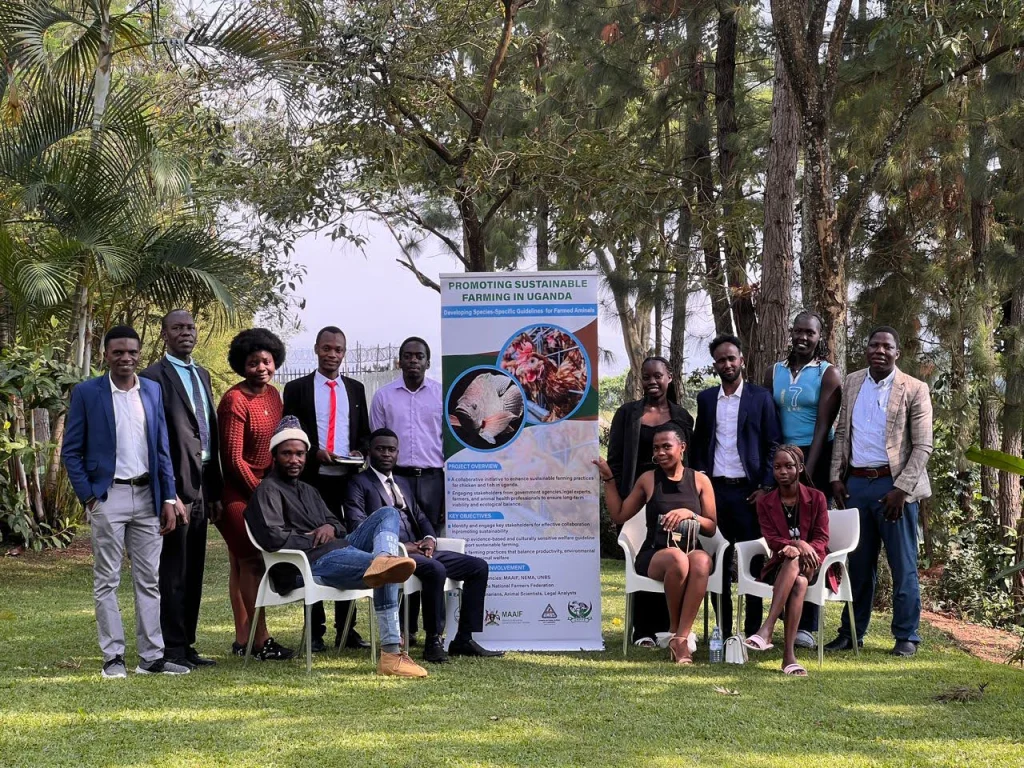
This dialogue encompasses more than just economic pragmatism; it reveals an inspiring path towards achieving equilibrium between human interests and those of animals—a journey that is pivotal for the sustainability and prosperity of Nigeria as a nation.
RECOMMENDED: Check out this similar article
Exploring the Nexus of Animal Welfare and Sustainable Practices
In the context of Nigerian communities, the relationship between animal welfare and sustainability is often influenced by a myriad of factors, including cultural beliefs, economic pressures, and environmental conditions. Understanding this dynamic is crucial for fostering sustainable practices that benefit both the local population and the ecosystems in which they live.
The Role of Cultural Practices
Cultural perceptions significantly shape how communities view animal welfare. In many Nigerian societies, animals are not just livestock; they are integral to family traditions, social gatherings, and even spiritual beliefs. For instance, in certain ethnic groups, animals such as goats and chickens are used in rituals and celebrations, intertwining their welfare with community identity.
However, traditional practices are often at odds with modern sustainability goals. The challenge lies in reconciling these time-honored customs with the need to adopt humane treatment frameworks that ensure the health and welfare of all animals. Initiatives that respect and incorporate local traditions while emphasizing ethical considerations can help communities bridge this gap.
Economic Incentives for Sustainable Practices
The economic landscape in Nigeria, often characterized by subsistence farming, illustrates another layer to the relationship between animal welfare and sustainability. Many farmers, particularly in rural areas, depend on livestock for their livelihoods. When farmers invest in animal welfare—such as providing adequate shelter, proper nutrition, and medical care—they often witness an increase in production efficiency.
- Improved Animal Health: Healthier animals translate to higher yields of milk, eggs, and meat, which directly benefits farmers economically.
- Market Demand: As consumers become more aware of animal welfare issues, there is a growing demand for ethically sourced food. Markets that prioritize ethically raised animals can provide farmers with new opportunities.
- Sustainable Practices: Implementing practices like organic farming or rotational grazing not only benefits livestock but also leads to healthier soil and ecosystems, which are vital for sustainable agriculture.
Despite the clear benefits, many farmers remain reluctant to change due to limited access to resources, training, and infrastructure needed to adopt these sustainable practices. Addressing these barriers is essential to empower local communities to embrace animal welfare as a pathway to sustainability.
Environmental Impact
Additionally, the environmental impacts of livestock farming cannot be overlooked. Overgrazing, deforestation, and water pollution are direct results of practices that often disregard animal welfare. Sustainable farming methods that prioritize animal wellbeing can significantly mitigate these environmental challenges. By promoting agroecological practices that enhance biodiversity and reduce resource depletion, Nigerian communities can create a resilient farming system that benefits both animals and people.
As the conversation around sustainability continues to develop, it is imperative for stakeholders—ranging from government agencies to non-governmental organizations—to foster dialogues that emphasize the interconnectedness of animal welfare and sustainability. Focusing on education, resource accessibility, and community engagement will be pivotal in reshaping the agricultural landscape in Nigeria for future generations.
| Advantage | Explanation |
|---|---|
| Enhanced Community Health | A strong connection between animal welfare and sustainability leads to improved public health outcomes by reducing disease transmission from animals to humans. |
| Economic Sustainability | Promoting ethical treatment of animals enhances productivity in agriculture and livestock, boosting local economies and promoting sustainable practices. |
| Biodiversity Conservation | Healthy animal populations contribute to ecosystem balance, which is vital for maintaining biodiversity in Nigerian communities. |
| Cultural Significance | Animals play a vital role in the cultural heritage of Nigerian communities, fostering a sense of community and respect for living beings. |
Understanding the intricate relationship between animal welfare and sustainability unveils a tapestry of interconnected benefits that enrich Nigerian communities. Improved public health, fueled by minimizing zoonotic diseases, emphasizes the urgency of treating animals ethically. Additionally, ethical treatment is not just a moral issue; it is an economic necessity. Farmers who adopt humane practices see improved yields, thus ensuring a more stable and resilient local economy.Moreover, sustainability hinges upon biodiversity, which relies heavily on healthy animal populations. By fostering environments where animals can thrive, communities secure ecological balance that supports not just wildlife but agricultural integrity as well. Furthermore, within the heart of Nigerian culture lies an equal respect for the roles animals play, highlighting the potential for welfare initiatives to amplify community cohesion. These layered aspects not only create a more sustainable society but also nurture a deeper, more respectful relationship with the natural world.
RECOMMENDED: Check out this similar article
Challenges and Opportunities in Improving Animal Welfare
To truly enhance the relationship between animal welfare and sustainability in Nigerian communities, an understanding of the various obstacles is essential. These challenges not only hinder progress but also create opportunities for innovative solutions. Identifying and addressing these issues can set the stage for meaningful change in agricultural practices and community attitudes toward animal welfare.
Access to Education and Resources
A major barrier to improving animal welfare in Nigeria is the limited access to education and training for farmers. Many rural farmers possess traditional knowledge that may not incorporate modern best practices for animal husbandry. While this traditional knowledge has its merits, without formal education on animal welfare protocols, farmers may unintentionally perpetuate practices that harm both animals and the environment.
Programs aimed at providing agricultural education can positively impact these communities. Workshops that focus on animal health, ethical treatment, and sustainable farming practices can empower farmers with the knowledge they need. For example, organizations such as the Nigerian Veterinary Medical Association have started outreach programs to educate farmers on basic veterinary care and the importance of maintaining the health of their livestock.
Moreover, increased access to resources such as veterinary services, supplements, and quality feed can significantly improve animal conditions. Partnerships between local governments and non-profits focused on animal welfare can enhance the distribution of these resources.
Climate Change and Its Effect on Animal Welfare
Climate change presents yet another challenge that complicates the nexus of animal welfare and sustainability in Nigeria. Rising temperatures and unpredictable rainfall patterns can stress livestock, leading to increased incidences of illness. It is crucial to develop strategies to mitigate these environmental stressors. For instance, providing shade for cattle and access to clean water sources can alleviate heat stress and improve overall health.
The implementation of climate-smart agricultural practices can also serve to enhance animal welfare. Techniques such as integrated crop-livestock systems not only allow for better resource utilization but also contribute to soil health and biodiversity, further promoting sustainability within farming communities.
Engagement with Local Communities
Engaging local communities in discussions around animal welfare can foster a culture of care and responsibility towards animals. Community-led initiatives, such as the establishment of animal welfare groups, can bring about grassroots movements dedicated to enhancing the quality of life for livestock while incorporating sustainable agriculture practices. Such groups can serve as platforms for dialogue among farmers, market players, and consumers, heightening awareness of the importance of ethical treatment.
- Community Workshops: Local gatherings to educate farmers on animal welfare can facilitate better practices and strengthen community ties.
- Collaborative Projects: Partnerships between agricultural organizations, government bodies, and local leaders can drive sustainable initiatives forward.
- Awareness Campaigns: Efforts to raise consumer awareness about the advantages of ethically sourced animal products can increase market demand and encourage more sustainable practices.
As conversations surrounding animal welfare and sustainability evolve, Nigerian communities stand at a critical juncture. By addressing educational barriers, adapting to climate challenges, and fostering local engagement, these communities can cultivate a future where both animal welfare and sustainability thrive in harmony.
SEE ALSO: Click here to read another article
Conclusion: Toward a Sustainable Future for Animal Welfare
In summary, the intricate relationship between animal welfare and sustainability in Nigerian communities cannot be overlooked. It is necessary to recognize that elevating the standards of animal care is not merely a humanitarian concern but also a pivotal aspect of sustainable agriculture. The synergy between ethical treatment of animals and sustainable practices leads to healthier livestock, improved yields, and a more resilient ecosystem.
To pave the way for progress, it is essential to prioritize education and community engagement. By fostering a culture of learning through workshops and outreach programs, farmers can integrate modern techniques that promote both animal welfare and sustainable farming methodologies. Furthermore, the impact of climate change adds urgency to this endeavor; communities must adopt adaptive strategies that mitigate environmental stress on livestock, thereby enhancing their welfare.
Moreover, collaboration among local governments, agricultural organizations, and community leaders can create a robust framework for implementing solutions. Initiatives that raise public awareness about the benefits of ethically sourced animal products can significantly shift consumer behavior, encouraging more farmers to embrace sustainable practices.
Ultimately, as Nigerian communities strive for a future where animal welfare and sustainability coexist harmoniously, they embark on a journey that promises not only ecological balance but also socio-economic advancement. This dual focus has the potential to enrich the livelihoods of farmers and ensure the longevity of the agricultural sector, underscoring the critical importance of nurturing our relationship with animals and the environment.